
From Immersive AR to Agentic AI: A New frontier in Educational Innovation
Bridging the gap between ecological literacy and advanced computation.
Our research explores how agentic systems transform nature-based learning into personalized, high-agency experiences.
Research & Impact
We are redefining what it means to “learn in nature”, by building virtual ecosystems where AI-powered peers support students like real classmates do, guiding them through emotional, cognitive, and social challenges.
At Forest Classroom, we envision a future where learning is immersive, emotionally aware, and deeply personal. Our research explores how Agentic AI, Digital Twins, and Augmented Reality (AR) can be integrated to enhance student engagement, promote help-seeking, and support the development of 21st-century skills.
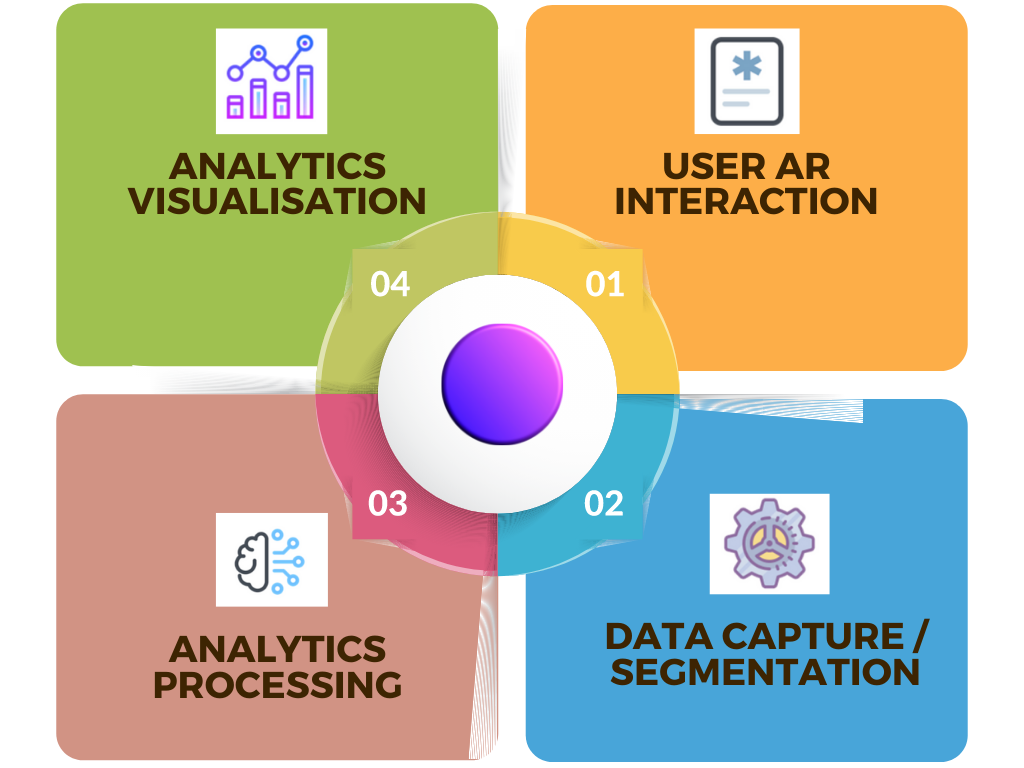
- Real-time data integration from forest sensors into AR overlays
- Global collaboration in shared virtual botanical spaces
Defining Agentic AI in the Classroom
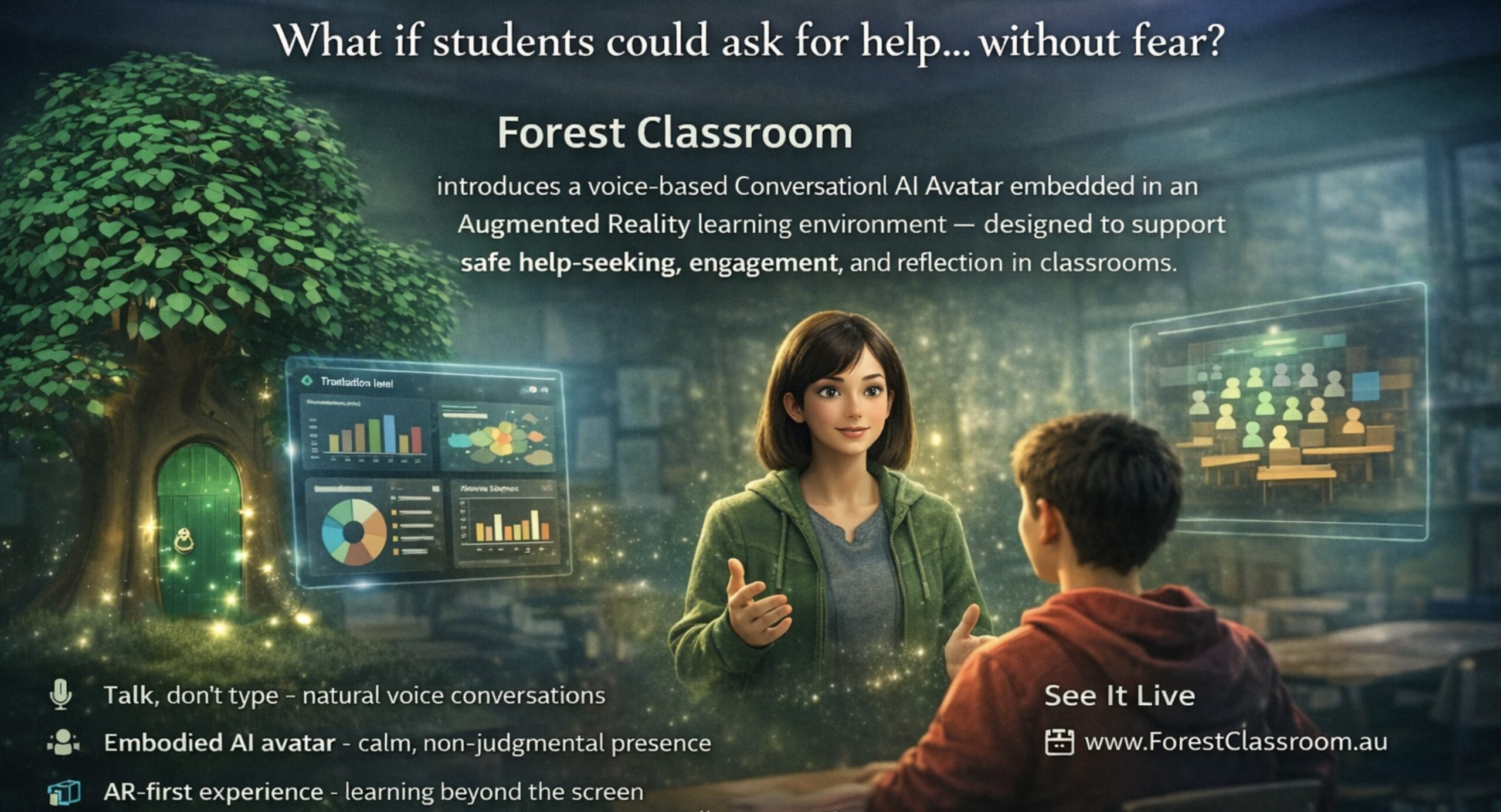
Moving beyond static chat interfaces to systems that act, reason, and adapt autonomously for the learner.
Personalized Learning
Agentic AI analyses individual learning paces, identifying conceptual gaps in real- time and automatically adjusting the curriculum difficulty or medium.
Deep Engagement
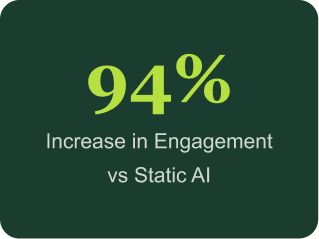
Unlike traditional AI, agentic systems proactively prompt students with questions, encouraging field exploration and rewarding inquisitive behaviour with adaptive feedback loops.
The "Peer" Interface
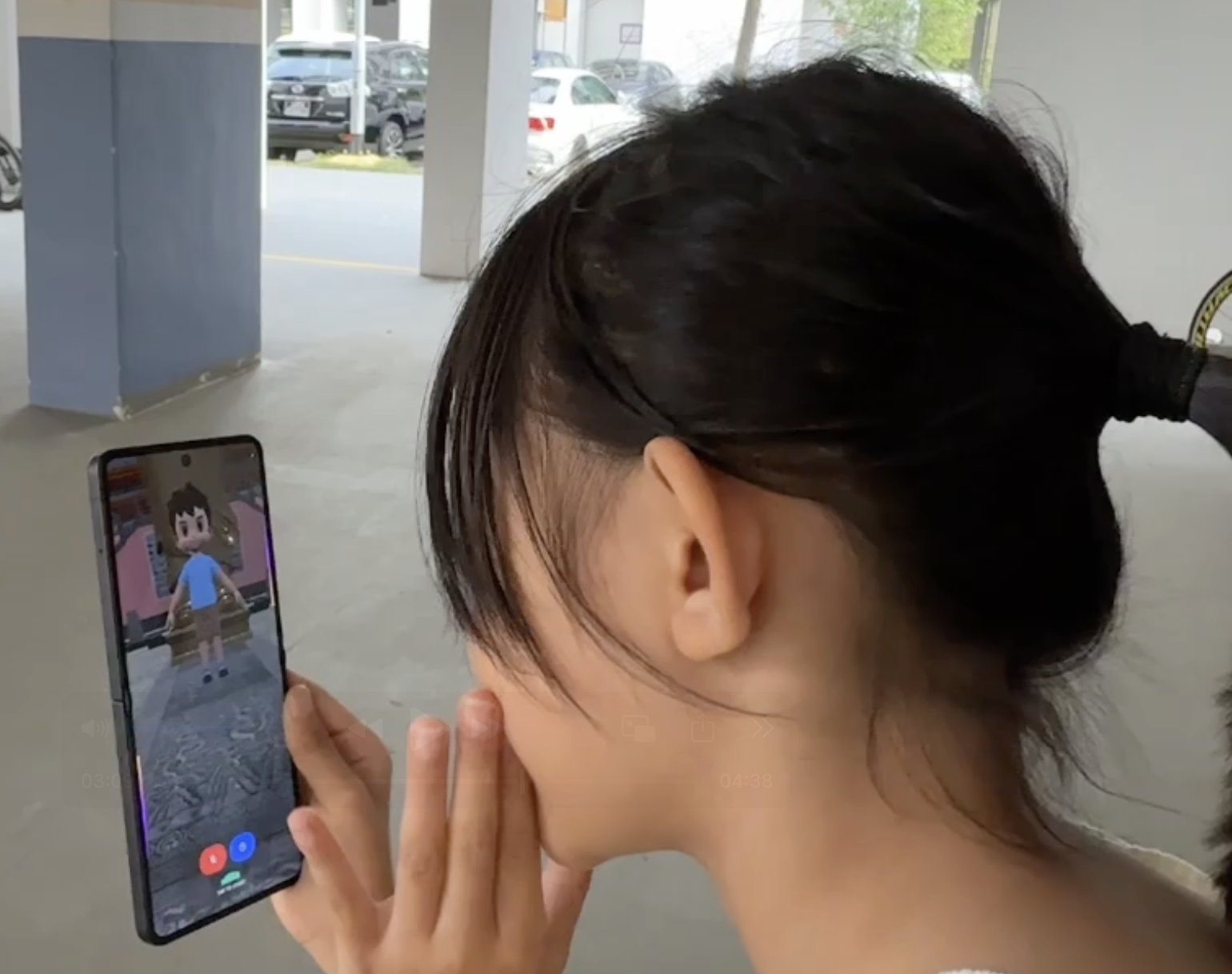
Our system uses Peer-style prompts—communicating not as an authority, but as a collaborative peer. Integrated emotional cue recognition monitors frustration or wonder through facial and vocal analysis to provide timely micro-interventions.

Research Scope
Our multi-year study centres on four
fundamental pillars that define the intersection of nature, AI and immersive pedagogy.
04 PILLARS
Core inquiries driving our pedagogical architecture.
QUESTION 01
How can Agentic AI peers improve student help-seeking behaviors?
QUESTION 03
QUESTION 02
QUESTION 04
Rigorous Methodology
Deductive Approach
Hypotheses-driven testing of established pedagogical theories in immersive 3D
environments, ensuring every design choice is informed by cognitive science.
Self-completing Diaries
Tracking issues and changes over the duration of the project. Co-design with teachers and students: ensuring that Forest Classroom is grounded in real educational needs.
Exploratory Study
Build prototype of AR Environment for kids with Generative AI workflows: to power autonomous agents embedded in mobile AR.
Data Collection
- Data Gathering using Mixed Methods (Qualitative & Quantitative)
- Focus groups & Interviews (Parents, Teachers & Children)
- Questionnaires & Feedback (Parents & Teachers)
- Sensor-based analytics (AREA framework): including emotion, spatial, and interaction data.
5+ Years Research
Research Collaboration
The Forest Classroom is a result of more than five years of research and prototyping. Developed as part of a doctoral study in Augmented Reality Enhanced Analytics (Deakin University), our work now focuses on translating this research into real-world impact.
- We actively collaborate with:
- Primary and middle schools (pilot programs)
- University research groups
- Government and non-profit education agencies
- AI and AR developers
Together, we are creating scalable systems that bring equity, emotion, and intelligence into the heart of education.
Human Ethics Approved
Deakin University, Australia.
RISEC Approved
Research in Schools and Early Childhood settings (RISEC) by Victoria Department of Education (DET)
Get Involved
Contribute to the future of education. Join our ongoing research studies.